como hacer una dieta de deficit calorico El déficit calórico ¿qué es y cómo controlarlo?
Maintaining a healthy balance of calories in versus calories out is the key to achieving your fitness goals. But what exactly is a calorie deficit? A calorie deficit occurs when you consume fewer calories than your body needs to perform daily activities, causing your body to tap into stored body fat for energy. This is the foundation for weight loss, and ultimately, for achieving a healthy body weight. To eat in a calorie deficit, you’ll need to track your food intake and make adjustments as needed. This might involve reducing portion sizes, choosing leaner proteins, or cutting back on high-calorie snacks. The key is to find a sustainable method that works for you and your lifestyle. One strategy for achieving a calorie deficit is to focus on small, achievable changes over time. Gradually make adjustments to your diet and exercise routine. This will help prevent overwhelming feelings of deprivation or frustration, and can lead to long-term success. But it’s important to note that a calorie deficit isn’t a one-size-fits-all solution. The amount of calories you need to eat in a calorie deficit will vary based on your individual goals, activity level, and body type. Be sure to consult with a healthcare professional or registered dietitian to determine the best approach for you. Here are a few tips for maintaining a calorie deficit: 1. Prioritize protein: Eating protein can help keep you feeling full and satisfied, which can make it easier to eat fewer calories throughout the day. 2. Choose fiber-rich foods: Fruits, vegetables, and whole grains are all great options for filling up on fewer calories. Plus, these foods are packed with nutrients that are important for overall health. 3. Stay hydrated: Drinking enough water is essential for overall health, but it can also help keep hunger at bay. Try drinking a glass of water before meals to help control portion sizes. 4. Be mindful of high-calorie foods: Foods like processed snacks, sugary drinks, and fast food might pack a lot of calories into a small serving size. Be mindful of these foods and try to limit them as much as possible. Remember, achieving a calorie deficit is just one part of the equation for weight loss and overall health. It’s also important to prioritize regular physical activity, adequate sleep, and stress management. Making small, sustainable changes over time can lead to lasting progress. And finally, don’t forget to celebrate your successes along the way, no matter how small they might seem. Pat yourself on the back for making healthier choices and taking steps towards your goals. You’ve got this!
If you are searching about deficit calorico - Búsqueda de Google | Como perder grasa, Pérdida de you’ve visit to the right page. We have 5 Pictures about deficit calorico - Búsqueda de Google | Como perder grasa, Pérdida de like 🧐Las personas que mantienen un pequeño pero constante déficit calórico, DÉFICIT CALÓRICO: EL SECRETO PARA PERDER PESO - Salud Diez and also POR QUÉ NO PIERDES GRASA EN UN DÉFICIT CALÓRICO?PORQUE NO ESTÁS EN UN. Here you go:
Deficit Calorico - Búsqueda De Google | Como Perder Grasa, Pérdida De
 www.pinterest.comEl Déficit Calórico ¿Qué Es Y Cómo Controlarlo? - Merkabici | Comida
 www.pinterest.comPOR QUÉ NO PIERDES GRASA EN UN DÉFICIT CALÓRICO?PORQUE NO ESTÁS EN UN
 www.pinterest.es🧐Las Personas Que Mantienen Un Pequeño Pero Constante Déficit Calórico
 www.pinterest.comDÉFICIT CALÓRICO: EL SECRETO PARA PERDER PESO - Salud Diez
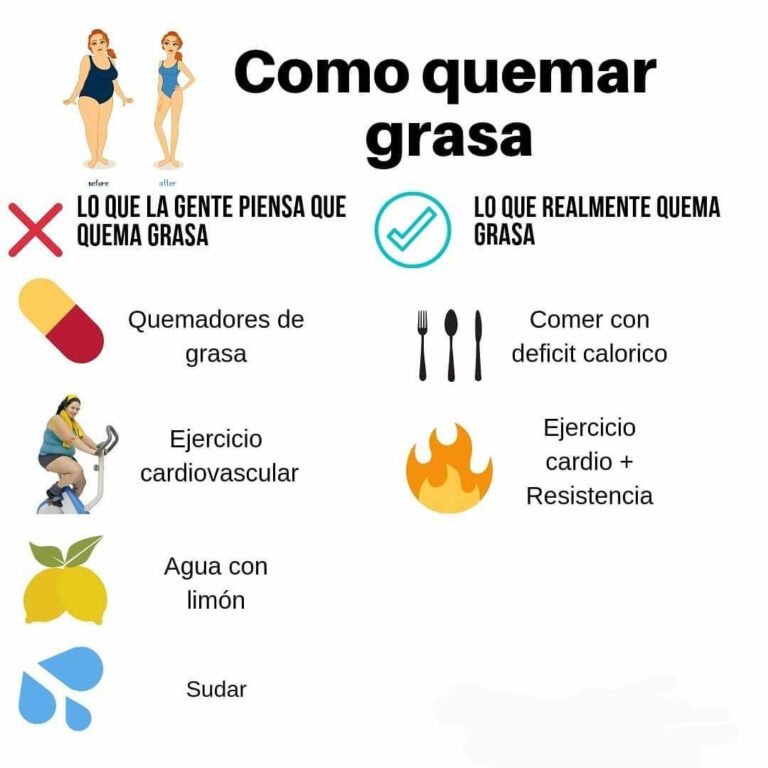 www.saluddiez.comDeficit calorico. Por qué no pierdes grasa en un déficit calórico?porque no estás en un. Déficit calórico: el secreto para perder peso